Narrative Historian | Author | Journalist
Echoes of Illyria: A History of Albania
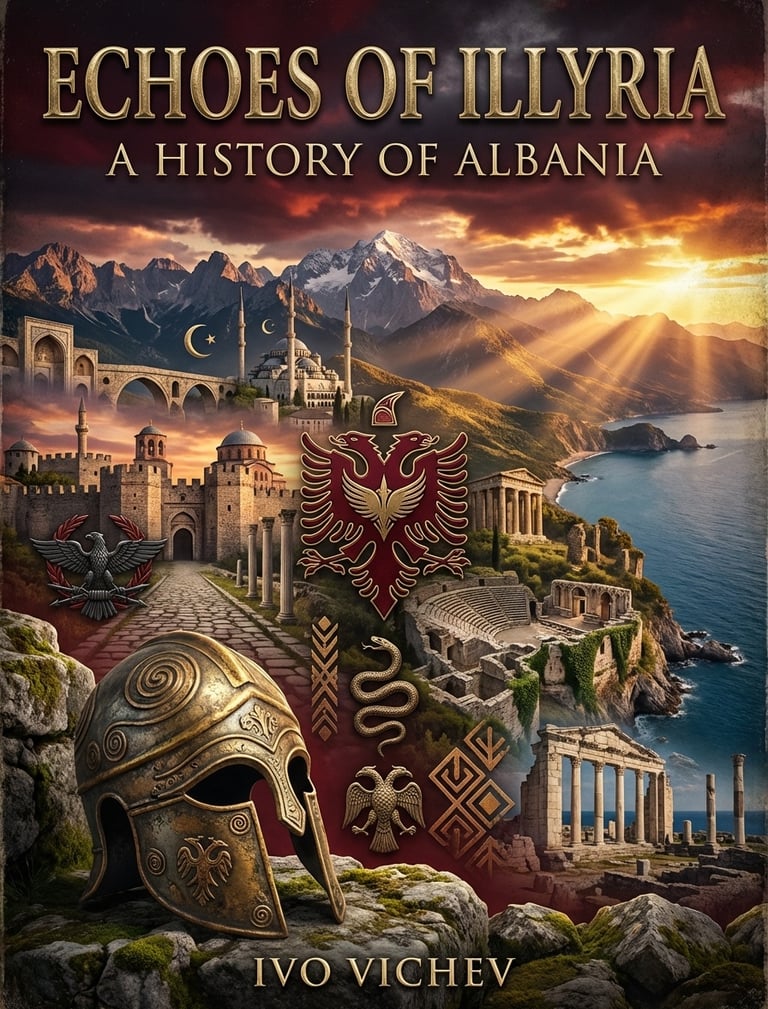
Echoes of Illyria
History of Albania, from its ancient origins to its path towards European integration.
Let me tell you something about Albania. This is a country that, by every reasonable measure, should not exist. It should have been swallowed whole — by Rome, by Constantinople, by the Ottomans, by its own neighbours carving it up in 1912. And yet here it is. Still speaking a language no one else on earth speaks. Still here.
Echoes of Illyria is the full story of how that happened.
It starts with the Illyrians — tribal, fractious, seafaring people who made Rome nervous enough to send legions. Queen Teuta told Roman ambassadors to go to hell. King Gentius picked a fight with the Republic and lost everything. That pattern — resistance followed by catastrophe followed by survival — repeats across two thousand years with almost mechanical regularity.
Then comes Skanderbeg. The greatest Albanian hero was, for most of his life, an Ottoman commander. He turned, seized Krujë, and held off the most powerful empire on earth for twenty-five years. When he died, Albania fell. But the story burned itself into Albanian identity permanently.
Four centuries of Ottoman rule followed. Albanians served as grand viziers and governors while highland clans governed themselves by the Kanun — a customary law code so ancient it regulated everything from hospitality to blood feuds. Albania became Europe's only Muslim-majority country, yet its identity was never primarily religious. That distinction matters enormously.
Independence came in 1912 — not from strength but from desperation. The alternative was partition. Then came King Zog, Mussolini's invasion, Nazi occupation, and Enver Hoxha's communist regime — the most isolated, most paranoid totalitarian state in European history. Religion banned outright. 750,000 concrete bunkers built. The secret police in every conversation. A country sealed shut like a tomb.Hoxha died in 1985. The system cracked in 1991. In 1997, pyramid schemes collapsed and nearly took the state with them. Albania rebuilt. Again. It joined NATO in 2009, became an EU candidate, and its diaspora carried Albanian identity into new countries and new centuries.